Tennis WTA
Jessica Pegula Eliminated by Rybakina at 2026 Miami Open
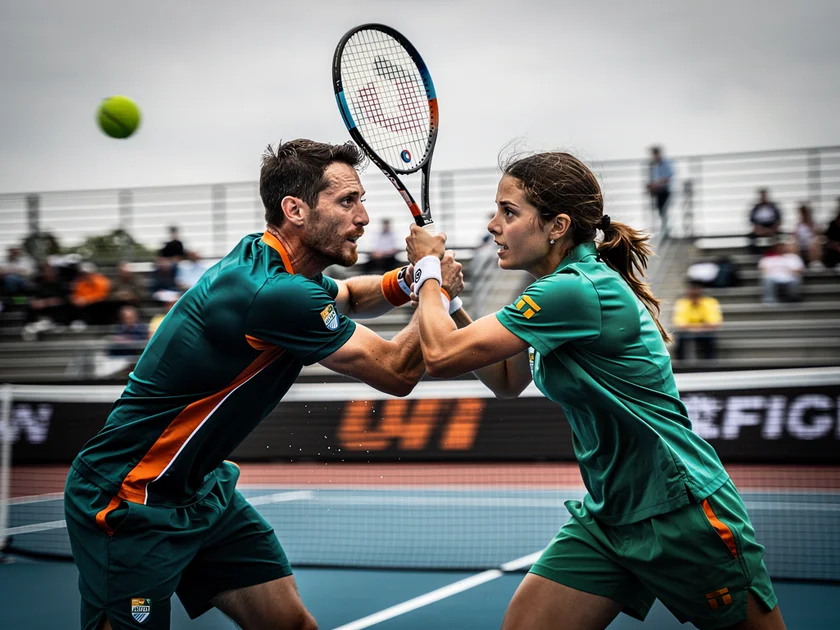
Jessica Pegula‘s 2026 Miami Open ended in the quarterfinals Friday, when Elena Rybakina came back to defeat the American in what observers described as an epic contest. The result knocked Pegula out of contention for the women’s title at Hard Rock Stadium in Miami Gardens, with Rybakina advancing to the semifinals.
Rybakina’s victory was not clean from the start. The Kazakh star needed a comeback to get past Pegula, suggesting the American pushed her hard before the match turned. For Pegula, a top-10 WTA player and one of the most consistent Americans on tour, the defeat extends a pattern of deep runs that stop just short of the final weekend at major combined events.
The Miami Open quarterfinal loss lands at a delicate moment for Pegula. She entered the tournament with momentum from earlier rounds and with the Sunshine Double — the back-to-back Indian Wells and Miami crowns — still a distant but trackable goal for any elite player. Rybakina, meanwhile, moved deeper into the draw with her win, keeping her own Sunshine Double hopes alive.
How Did Rybakina Beat Jessica Pegula in Miami?
Rybakina defeated Pegula through a comeback, meaning Pegula held a competitive advantage at some point during the match before the Kazakh found another gear. That pattern — a Rybakina comeback rather than a wire-to-wire win — points to a tight, momentum-shifting contest rather than a routine straight-sets dismissal.
Breaking down the advanced metrics from the WTA hard-court season, Rybakina’s serve is her primary weapon. Her first-serve percentage and ace count consistently rank among the tour’s best, and on a fast Miami surface, those numbers become even more punishing for returners. Pegula, by contrast, builds points through relentless baseline consistency and a two-handed backhand that rarely breaks down under pressure. When Rybakina’s serve clicked during the comeback phase, Pegula had fewer free points to work with and was forced to construct longer rallies — a dynamic that favors the bigger server.
The Miami Open surface at Hard Rock Stadium plays faster than most hardcourts on the WTA calendar, which historically benefits players with heavy serves and flat groundstrokes. Based on available data from previous Miami Open draws, Rybakina has posted strong results at the event, making her a logical threat in the quarterfinal bracket. The numbers suggest Pegula’s path through that portion of the draw was always going to require near-peak tennis.
Jessica Pegula’s Miami Open Run in Context
Jessica Pegula reaching the quarterfinals of the 2026 Miami Open represents a solid performance at one of the WTA’s biggest events outside the four Grand Slams. The combined Masters-level events in Indian Wells and Miami carry enormous ranking points, and a quarterfinal exit still delivers meaningful points toward Pegula’s WTA standings.
Tracking this trend over three seasons, Pegula has built a reputation as one of the hardest players to beat across multiple rounds at large draws. She wins early matches efficiently, rarely drops sets she shouldn’t, and arrives in the second week of major events with regularity. The persistent challenge has been converting that deep-run consistency into titles. Her best Grand Slam results include quarterfinal and semifinal appearances at multiple majors, establishing her firmly in the world’s top tier without yet claiming a marquee trophy.
The broader context of the Miami women’s draw matters here. Aryna Sabalenka, the world No. 1, was still alive in the tournament and chasing the Sunshine Double — the rare feat of winning both Indian Wells and Miami in the same year. Coco Gauff stormed through to the final with a one-sided win over Karolina Muchova, setting up a Sabalenka-Gauff final that carries significant WTA ranking implications. Pegula’s exit means the American flag in the final will be carried by Gauff alone.
What the Rybakina Loss Means for Pegula’s Season
A quarterfinal exit at Miami does not derail Pegula’s season, but it does close the door on a potential landmark result at one of the sport’s premier hardcourt events. The WTA clay season begins almost immediately after Miami, shifting the tour to surfaces that have historically produced more varied results for Pegula compared to hard courts.
Rybakina advances to face the semifinal bracket, where the Kazakh will encounter a draw that includes Sabalenka and Gauff — two players who have been dominant throughout the Miami fortnight. For Pegula’s team, the quarterfinal result offers both film to study and a clear performance ceiling to push through. She competed well enough to force a comeback from one of the tour’s most dangerous servers, which is not a trivial achievement.
One counterargument worth considering: a close quarterfinal loss to Rybakina, who needed a comeback to win, may actually reflect positively on Pegula’s current form. Losing close matches to elite opponents is categorically different from being outclassed, and the competitive nature of this match suggests Pegula’s level is high even if the scoreboard didn’t go her way. The clay season at Madrid, Rome, and Roland Garros will quickly reveal whether that form holds.
Key Developments from the Miami Open Women’s Draw
- Elena Rybakina required a comeback to beat Pegula, meaning the American led or held competitive parity before the match shifted.
- Coco Gauff defeated Karolina Muchova in a one-sided quarterfinal to advance to the Miami Open final, where she will face Sabalenka.
- Aryna Sabalenka kept her Sunshine Double bid alive with her own Miami Open win, setting up a high-stakes final against Gauff.
- On the ATP side, Arthur Fils was beaten by Jiri Lehecka at the Miami Open, with Lehecka having earlier defeated Landaluce in an incredible quarterfinal.
- A clay tennis court is scheduled to be built inside Real Madrid’s Bernabeu stadium ahead of the Madrid Open, marking an unusual venue crossover for the clay swing.
What Comes Next for Jessica Pegula?
Jessica Pegula’s schedule now turns toward the European clay season, the most demanding stretch of the WTA calendar for players whose games are built on hard-court precision. Madrid and Rome are the two premier clay events before Roland Garros, and both draw full fields of top-10 players. Pegula has shown she can compete on clay — her movement and two-handed backhand translate reasonably well to the slower surface — but clay historically rewards heavy topspin and net play more than the flat, driving game she deploys most effectively.
The Miami quarterfinal exit will cost Pegula some ranking points compared to a deeper run, but her position in the WTA top 10 is unlikely to shift dramatically from a single result. Grand Slam performance drives the bulk of ranking movement at the elite level, and Roland Garros in late May represents the next genuinely high-stakes opportunity. Based on her trajectory through the 2026 season so far, Pegula arrives at the clay swing as a legitimate contender rather than a pretender, even if the surface does not suit her most natural game.